

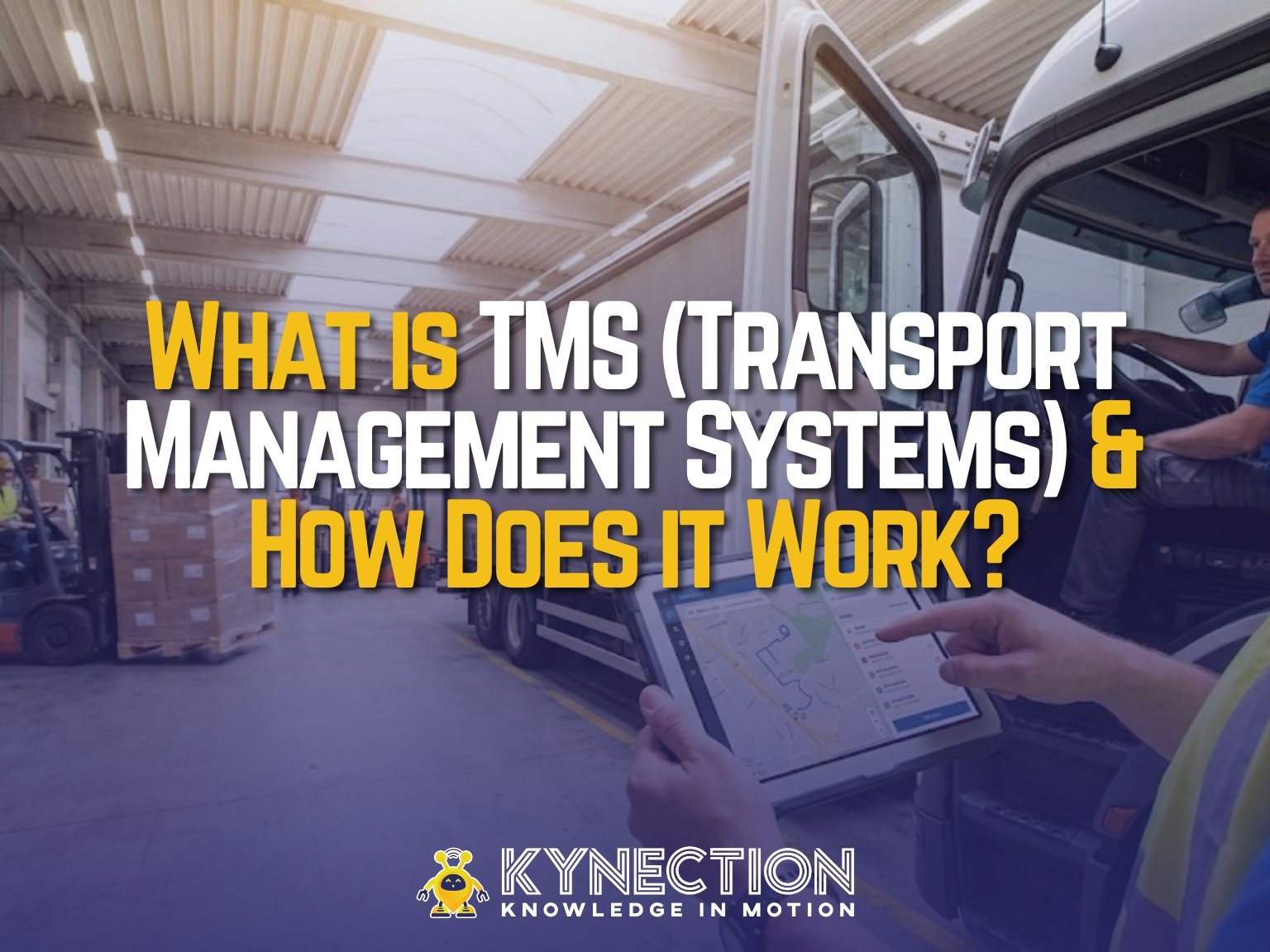
Having worked closely with transport operators and logistics teams, I’ve seen firsthand how quickly small inefficiencies can snowball into major operational problems. When routing, dispatch, compliance, and tracking are all handled in separate systems (or worse, on paper) it becomes almost impossible to maintain accuracy or respond to issues in real time. This is where a Transportation Management System (TMS) becomes indispensable.
A TMS is the command centre for your logistics operations, providing the tools to plan, execute, and optimise the physical movement of goods. By automating processes, offering real-time insights, and ensuring compliance, a modern TMS helps reduce costs, streamline operations, and ultimately boost customer satisfaction.
What is a Transportation Management System (TMS)?
A Transportation Management System (TMS) is a logistics software platform that helps businesses manage all aspects of their transportation lifecycle. As a key component of a broader supply chain management strategy, a TMS centralises data and processes to help managers plan and execute shipments, select the most efficient carriers, track freight in real-time, and analyse performance through detailed reporting.
Whether moving goods by land, air, or sea, a TMS automates historically paper-heavy tasks like compliance documentation, freight billing, and settlement. The system can manage three primary forms of transportation:
- Single mode: Utilises one type of transport (e.g., only trucks) with one carrier. This is common for businesses with a localised customer base.
- Multimodal: Involves multiple modes of transport (e.g., ship to rail to truck) but managed through a single contract with one primary carrier.
- Intermodal: Uses multiple transport modes and multiple carriers, requiring the most complex coordination and oversight.
How Does a TMS System Work?
At its core, a TMS acts as a sophisticated database and operational hub that connects your business with your entire logistics network. It stores critical data, from carrier rates and transit times to vehicle capacity and compliance requirements, enabling informed, data-driven decisions.
A TMS typically integrates with other key business platforms, such as an Enterprise Resource Planning (ERP) system for order management and a Warehouse Management System (WMS) for inventory and fulfillment. The workflow generally follows these steps:
- An order is received in the ERP.
- The WMS manages the picking and packing of the goods in the warehouse.
- The TMS takes over to plan the optimal shipping route, select a carrier, dispatch the load, and manage the shipment to its final destination.
However, the effectiveness of this ecosystem hinges on seamless integration. A poorly implemented connection between a TMS and WMS can lead to data mismatches, creating bottlenecks at the loading dock instead of streamlining them. A well-integrated solution, like the Kynection Transport Management System (TMS), ensures a smooth flow of information from order placement to final delivery.
Why is a TMS Important for Modern Logistics?
The adoption of TMS platforms is growing rapidly as businesses recognise their critical role in maintaining a competitive edge. The increasing complexity of global supply chains, rising customer expectations for fast delivery, and stringent regulatory pressures make a TMS more important than ever.
A TMS provides both high-level and granular visibility into logistics, which is crucial for planning and agility. This insight allows managers to proactively address potential disruptions, communicate transparently with customers, and identify areas for operational improvement. By connecting directly to carrier systems, a TMS can pull real-time data on shipping costs and transit times, helping businesses minimise expenditure and improve service levels. This centralisation of communication and data also simplifies expansion into new markets, including international trade.
Who Uses a Transportation Management System?
Many people assume that transportation management systems are only for large organisations with complex, global supply chains. However, modern TMS platforms are designed to support a wide range of industries and business sizes. Any organisation that depends on the movement of goods can gain value from a TMS.
eCommerce
eCommerce businesses face unique and fast-paced shipping demands. An eCommerce-focused TMS helps streamline order fulfilment, automate label generation, optimise carrier selection, and ensure fast, cost-effective delivery.
A TMS equipped for eCommerce enables:
- Automated order importing from online marketplaces and shopping carts.
- Real-time tracking that keeps customers informed.
- Carrier rate shopping to reduce shipping costs.
- Faster fulfilment through automated workflows.
This visibility and automation enable online retailers to stay competitive in a market where customers expect rapid, transparent deliveries.
Manufacturers
Manufacturers rely on TMS platforms to manage inbound raw materials and outbound finished goods. A TMS helps them optimise transportation spend, reduce delays, and strengthen relationships with carriers.
Key benefits for manufacturers include:
- Better coordination between production schedules and transportation.
- End-to-end visibility from order creation to delivery.
- Automated freight audits to control costs.
- Performance analytics to identify bottlenecks or inefficiencies.
Regardless of industry, manufacturers use a TMS to reduce shipping costs, improve operational reliability, and provide better customer service.
Distributors
Distributors are responsible for moving large volumes of goods quickly and accurately. A TMS helps streamline communication between partners, consolidate loads, and ensure faster delivery cycles.
With a TMS, distributors gain:
- Greater visibility across every shipment in the network.
- Improved route optimisation and reduced empty miles.
- Better control over freight costs and carrier performance.
- Fewer delivery delays and service failures.
This leads to a more resilient supply chain and more reliable delivery outcomes.
3PLs (Third-Party Logistics Providers)
3PLs manage logistics operations on behalf of other companies, making a TMS essential for coordinating large, complex shipping networks.
A TMS supports 3PL operations by:
- Centralising data from multiple clients.
- Providing tools for shipment planning, tendering, and execution.
- Offering real-time visibility across diverse supply chains.
- Automating invoicing, billing, and documentation.
Because 3PLs serve many customers (each with unique requirements) a TMS improves efficiency, accuracy, and service quality across the entire logistics portfolio.
Benefits Of Using A Transportation Management System
A modern TMS oversees the entire lifecycle of a shipment. While features can be tailored, most leading systems are built around a few core functional pillars. These are often structured as core, additional, and expansion modules, allowing businesses to choose the functionalities they need.
| Functionality Pillar | Key Features |
| Planning & Optimisation | Route planning, multi-stop optimisation, carrier rate comparison, and load consolidation (e.g., combining LTL shipments). |
| Execution | Digital job dispatch, freight tendering, carrier booking, and generation of documentation like bills of lading and electronic proof of delivery (ePOD). |
| Tracking & Visibility | Real-time GPS tracking of vehicles and assets, geofencing, automated status updates, and customer-facing tracking portals. |
| Compliance & Safety | Management of Chain of Responsibility (CoR), driver fatigue (EWDs), pre-start checklists, and licensing and certifications. |
| Settlement & Reporting | Automated freight auditing and payment, customer invoicing, and performance analytics with customisable KPIs and dashboards. |
Choosing the right features is a critical tradeoff. A small fleet might not need advanced multimodal planning, but it will gain immense value from digital proof of delivery and automated invoicing. An all-in-one platform like Kynection offers modular solutions, allowing businesses to scale their system as their needs evolve.
Core Benefits of Implementing a TMS
While the initial investment requires consideration, a well-implemented TMS delivers significant returns across the business. Finding the best project management tools for transport and logistics is crucial for unlocking these benefits.
- Reduced Freight Costs: Optimised routes, better carrier selection, and load consolidation lead to direct savings on fuel and freight charges.
- Increased Efficiency: Automating manual tasks like dispatch, invoicing, and compliance paperwork frees up administrative staff to focus on value-added activities.
- Enhanced Visibility and Control: Real-time tracking allows managers to monitor shipments, proactively handle delays, and provide customers with accurate ETAs.
- Improved Customer Satisfaction: Faster, more reliable deliveries and transparent communication build customer trust and encourage repeat business.
- Streamlined Compliance: Integrated tools for managing fatigue, vehicle maintenance, and CoR obligations reduce the risk of fines and improve safety.
- Data-Driven Decisions: Analytics and KPI reporting provide insights into carrier performance, lane profitability, and operational bottlenecks, enabling continuous improvement.
TMS vs. WMS: What’s the Difference?
Though they work together, a TMS and a Warehouse Management System (WMS) serve distinct functions.
- A WMS manages operations inside the four walls of a warehouse. This includes inventory management, receiving, put-away, picking, packing, and order fulfilment.
- A TMS manages the freight and logistics outside the warehouse. It takes over once a shipment is packed and ready to leave, handling everything from carrier selection to final delivery.
The most effective supply chains integrate these two systems tightly with an ERP to create a single source of truth, ensuring a seamless flow from the initial customer click to the final-mile delivery.
Drive Real Results with Kynection’s All-in-One TMS
For businesses looking to unify their operations, Kynection provides an all-in-one Transport Management System built to handle the real-world complexities of Australian logistics. Our “One System” approach eliminates data silos by integrating job scheduling, fleet management, safety and compliance, and finance into a single platform.
Whether you’re hauling general freight, dangerous goods, or refrigerated cargo, Kynection empowers your team with tools like real-time GPS tracking, NHVR-approved Electronic Work Diaries (EWD), AI-powered safety cameras, and seamless accounting integrations. We help businesses like Cartage Australia enhance safety and drive efficiency across their entire fleet.
Frequently Asked Questions
What is transportation management?
Transportation management is the process of overseeing and controlling the physical movement of goods from their point of origin to their destination. This includes planning, execution, and optimisation of all related activities to ensure timely, cost-effective, and compliant delivery.
What are the main transportation models?
The primary models are single mode (one transport type, one carrier), multimodal (multiple transport types, one carrier contract), and intermodal (multiple transport types, multiple carriers). The right model depends on the complexity and geographic scope of the supply chain.
What is the primary goal of a TMS?
The main goal of a TMS is to improve shipping efficiency by reducing costs, increasing speed, and enhancing reliability. It achieves this through route optimisation, carrier management, process automation, and providing real-time visibility across the supply chain.
How much does a TMS system cost?
The cost of a TMS varies significantly based on deployment model (cloud-based vs. on-premise), the number of users, and the specific features required. Modern cloud-based SaaS solutions offer flexible, subscription-based pricing, making them affordable even for smaller businesses that can scale their investment as they grow.

Ready to take your business to the next level?
Discover how Kynection can help streamline your operations, improve efficiency, and drive growth. Book a demo today and see the difference for yourself!