


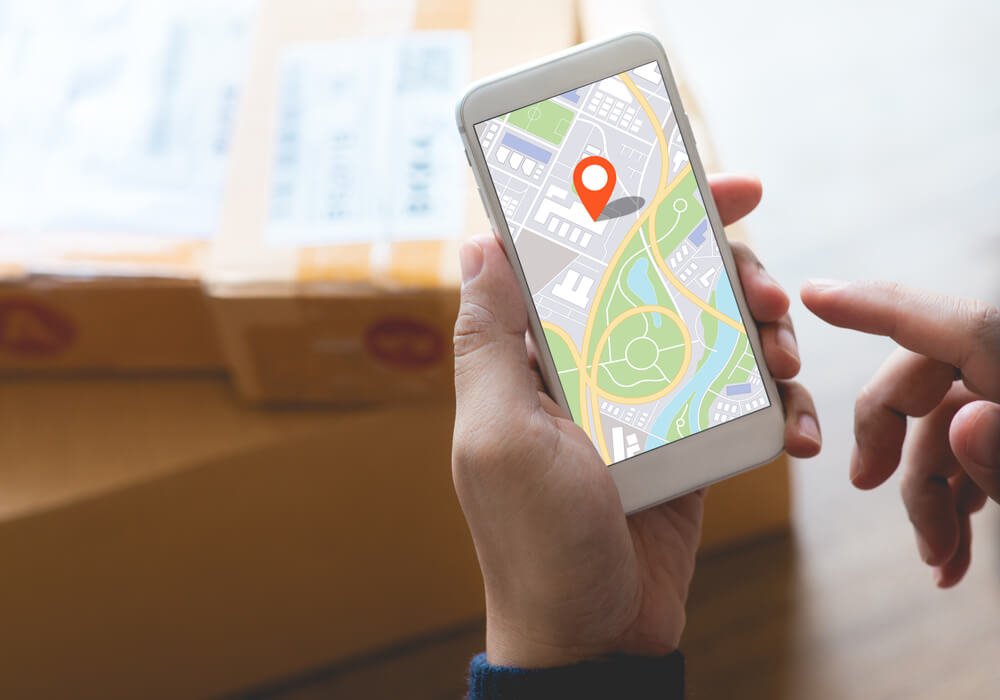
In an increasingly competitive marketplace, efficiency is one of the most valuable assets a business can have. GPS tracking technology has become a powerful tool for improving productivity, reducing operational costs and enabling data-driven decision-making. By providing accurate, real-time location data, businesses can optimise routes, enhance safety and maintain greater control over assets, vehicles and personnel.
What Is GPS Tracking and How Does It Work?
GPS tracking uses signals from a network of satellites to determine the precise location of an asset, vehicle or person. This location data is transmitted to a central system, where it can be viewed and analysed in real time.
Modern GPS tracking solutions often integrate with cloud-based platforms, offering live dashboards, automated alerts and historical reports. Businesses can monitor the movement of vehicles, equipment and staff from anywhere, ensuring they always have a clear view of their operations.
What is the Role of Real-Time Location Data in Business Operations?
Real-time location data provides visibility into daily operations, enabling businesses to respond quickly to changes or unexpected events. For example, if a delivery vehicle encounters traffic delays, dispatchers can reroute it instantly to meet customer deadlines.
This visibility also helps prevent asset loss or misuse. By knowing where equipment and vehicles are at all times, companies can ensure resources are being used effectively, improving productivity and reducing unnecessary downtime.
How does GPS Tracking Enhances Route Planning and Fuel Efficiency?
Inefficient routes waste both time and fuel, directly impacting a business’s bottom line. GPS tracking systems analyse travel patterns and recommend the most efficient routes for each journey.
This optimisation reduces fuel consumption, shortens delivery times and minimises wear and tear on vehicles. Over time, these improvements can result in significant cost savings while also contributing to a more sustainable operational footprint.
How can I Improve Safety and Accountability Through GPS Monitoring?
Safety is a top priority in any industry involving vehicles or field operations. GPS tracking can monitor driver behaviour, such as speed, braking patterns and idle times. These insights help identify areas for training and reduce the risk of accidents.
In addition, GPS monitoring increases accountability. Employees are more likely to adhere to schedules and safety guidelines when they know their activities are being tracked, fostering a culture of responsibility and compliance.
How do I Turn GPS Tracking Insights Into Strategic Business Decisions?
The benefits of GPS tracking extend beyond day-to-day operational improvements. Data collected over time can be used to inform long-term strategies. Businesses can analyse trends in delivery times, route performance and asset utilisation to make informed decisions about fleet expansion, maintenance schedules and staffing levels.
By leveraging these insights, companies can position themselves to respond quickly to market demands, enhance customer satisfaction and gain a competitive edge. Contact Kynection to learn more about our innovative solutions.